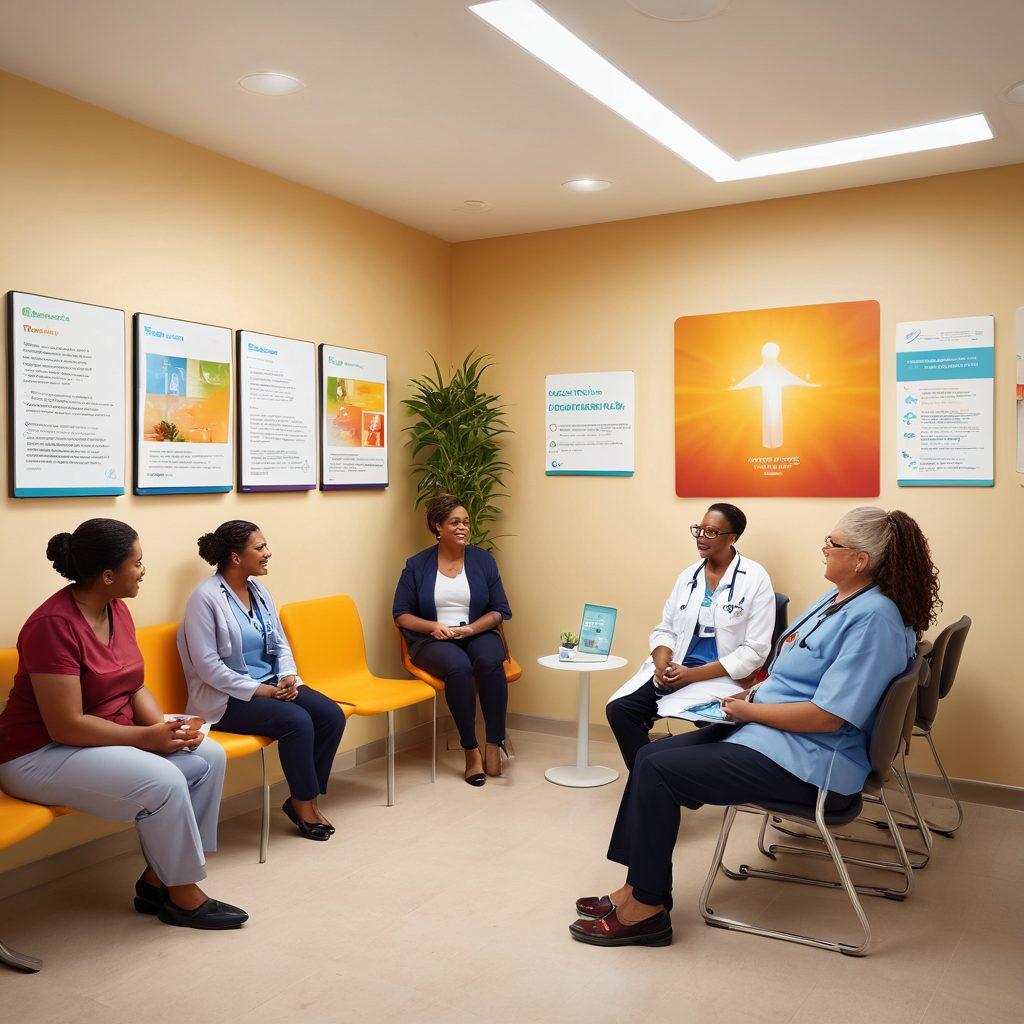
Empowering Patients: Navigating Cancer Care, Treatment Options, and Survivorship Tips
Navigating the world of cancer care can often feel like stepping into a complex maze, filled with jargon and a myriad of options that can quickly overwhelm anyone. For many patients and their caregivers, understanding that journey is pivotal in managing a diagnosis and finding the right path to recovery. Imagine walking through a dimly lit corridor, every door labeled with terms like 'oncology', 'clinical trials', and 'remission'. Which one should you choose? This guide aims to illuminate those paths, providing insights and education that will equip you with the knowledge to make informed choices about treatment options and survivorship.
Cancer care is an intricate tapestry woven from personal experiences, cutting-edge research, and community support. Every individual's story is unique yet shares common threads of hope and perseverance. As you embark on this journey, it’s essential to grasp not only the medical aspects of your illness, such as the types of tumors or symptoms related to different carcinomas, but also the emotional and psychological support available. Remember, holistic health encompasses not just the physical but also the mental health of patients, which is crucial in combating any illness.
Education is your most powerful ally in the quest for quality cancer care. By seeking out information about the disease, including risk factors and the latest in state-of-the-art treatments, you can make empowered decisions. Ask questions like, 'What are my treatment options?' or 'What is the role of nutrition in my recovery?' The truth is, understanding your condition can sometimes feel like unearthing buried treasure. Discovering the right support groups and advocacy communities not only provides emotional relief but also opens doors to additional resources, funding, and philanthropy initiatives that can help ease the financial burden of treatment.
One of the most vital components of cancer care is the role of clinical trials. These research studies offer patients access to innovative therapies that may not yet be available in regular healthcare settings. Imagine being part of the discovery process, where your participation could not only advance science but also provide you with the opportunity for cutting-edge treatment options. Engaging with your healthcare provider about enrolling in such trials could be a turning point in your battle against cancer. Highlights from survivor stories often emphasize how participation in research can change lives, igniting hope within the darkest times.
As you venture forward in treatment and care, fostering a connection with both your support community and family is crucial. Their encouragement can bolster your spirit during challenging moments and remind you that you are not alone. Survivorship is about more than overcoming illness; it’s about finding purpose and redefining your lifestyle post-cancer. Focus on nutrition, engagement in physical activity, and nurturing mental well-being. The keys to unlocking a fulfilling life after cancer may very well lie within a balanced approach to healing, resilience, and maintaining a network of supportive relationships.
From Diagnosis to Remission: Survivorship Strategies for Thriving Beyond Cancer
Receiving a cancer diagnosis can be one of the most disorienting experiences of a person's life. As one patient poignantly stated, 'It feels like the ground has been pulled from beneath you.' The journey from diagnosis to remission is not just a medical pathway but a profound emotional experience. It involves navigating unfamiliar healthcare systems, understanding complex treatment options, and ultimately redefining what it means to live well. Today, we explore survivorship strategies that can empower patients as they transition from living with carcinoma to thriving beyond their illness.
The road from diagnosis to remission is laden with challenges, but the resilience of the human spirit is truly remarkable. When faced with a tumor diagnosis, it's common for patients to feel overwhelmed. However, engaging in educational resources can illuminate the path ahead. Information is power, and equipping ourselves with knowledge about symptoms, risk factors, and state-of-the-art treatments — including various clinical trials and therapy options — can be liberating. As one survivor put it, 'Understanding my illness allowed me to take back control of my life.' Embracing information fosters a sense of agency among patients during this tumultuous time.
But navigating the complexities of oncology doesn't stop at understanding treatment options; it extends to harnessing the power of community. Support groups provide not just a space for shared experiences but also a foundation for emotional well-being. Connecting with others who understand the nuances of cancer and survivorship can make a world of difference. As another survivor shared, 'The friendships I formed in my support group became my lifeline.' These connections also serve as a critical tool in advocating for research studies and funding that can advance public health initiatives and improve the outlook for future patients.
In addition to emotional support, lifestyle changes play a crucial role in survivorship. Simple yet impactful adjustments to nutrition and mental health practices can enhance one's quality of life during and after treatment. Have you considered how your diet and daily habits align with your health goals? Adopting a holistic health approach that emphasizes nourishing foods, regular physical activity, and mindfulness can promote healing in both body and mind. As many patients discover, it's not just about surviving cancer; it's about thriving in spite of it.
Finally, as you transition to this new chapter of your life, the importance of setting intentions for your future cannot be underestimated. Remission is a celebration, but it's also the beginning of a renewed journey. Reflecting on goals, engaging in philanthropic efforts, or contributing to cancer advocacy can create a sense of purpose. As we remind ourselves and others in the community, 'Survivorship is not the end; it’s a vibrant new beginning.' Armed with knowledge, a supportive network, and healthy habits, you have all the tools to not just live post-cancer, but to thrive beyond it.
Navigating Treatment Options: Empowering Patients with Knowledge, Support, and Advocacy
When faced with a cancer diagnosis, the first lesson learned is that knowledge is power. Each patient finds themselves standing at the crossroads of uncertainty, grappling with the overwhelming choices in oncology. Navigating these treatment options isn’t merely about picking a therapy; it's an empowering journey enriched by information, support, and personal advocacy. Ask yourself: How do we transform this daunting experience into a path toward empowerment? Through understanding our illness, we can turn fear into informed action.
Imagine standing with a friend who has just received a diagnosis of carcinoma. There’s a wave of emotions—fear, confusion, and perhaps, a flicker of hope. It’s at this critical juncture that the importance of community and advocacy shines. As patients, connecting with support groups can be a lifeline, offering shared experiences, resources, and collective wisdom. The mantra 'You are not alone' echoes loudly in these circles, transforming individuals from mere patients into advocates not only for themselves but for others as well. How might you leverage the strength of community in your journey?
Understanding the array of treatment options involves delving into the world of therapy and clinical trials. Educating oneself on the types of treatment available, the potential risks, and the latest state-of-the-art treatments can be empowering. Whether it's surgery to remove a tumor, chemotherapy to target cancer cells, or cutting-edge immunotherapy that harnesses the body’s immune system, patients need to be well-informed. Patients are encouraged to engage with healthcare providers, ask questions, and explore all avenues, from traditional therapies to alternative approaches that prioritize holistic health.
Furthermore, being proactive in one’s healthcare journey encompasses lifestyle changes that enhance survivorship. Nutrition plays a pivotal role; adopting a balanced diet rich in fruits, vegetables, and whole grains can pave the way for not just physical well-being, but bolster mental health too. Ask yourself: How can you nourish your body during this journey? Simple changes can significantly impact quality of life, resilience, and overall wellness throughout treatment and beyond.
Finally, standing up for patient rights in the realm of public health is vital. It’s essential to advocate for funding and philanthropy that supports research studies aimed at advancements in cancer care. Each patient's story, filled with trials and tribulations, stands as a powerful testament to the need for continued education, research, and innovation. In this landscape of caring and healing, how can each of us become an active participant in forging a brighter future for cancer treatments? Let’s champion survivorship, not just as a destination, but as a lifelong commitment to well-being and advocacy.